
When I first heard “mobile eSports” I thought it was a buzzword for people who play casual shooters on their pocket. I was wrong. The first time I watched a live mobile tournament on a 12‑inch screen, the intensity was the same as a console event. A team of four, each on a different phone, executed a 12‑second combo in Mobile Legends that left the audience in stunned silence. That moment proved that smartphones can host competitive play at the same level as any other platform.
How Fast Has the Mobile eSports Market Grown?
According to the International Esports Federation, the mobile segment grew from $1.5 billion in 2017 to $3.2 billion in 2022. The number of professional players doubled in that period, and tournaments now offer prize pools of up to $500 k for a single match. The growth rate is roughly 20 % year‑on‑year, and the trend shows no sign of slowing. If you’re looking for a quick way to jump into competitive play, mobile is the fastest‑growing arena.
What Makes a Smartphone a Legitimate Competition Platform?
Three factors have tipped the scale in favor of phones:
- Hardware parity: High‑end models like the iPhone 15 Pro Max and Samsung Galaxy S24 Ultra ship 6‑core GPUs that can render 120 fps at 1080p, matching many mid‑range consoles.
- Input accuracy: Modern capacitive screens now support pressure‑sensitive touch, allowing players to execute complex gestures with millisecond precision.
- Network reliability: 5G coverage in urban areas delivers latency under 30 ms, a sweet spot for real‑time strategy games.
These technical strides mean that a skilled player can compete from a coffee shop or a train seat without sacrificing performance.
Who Gets Left Behind as the Game Shifts to Phones?
Not everyone benefits equally. Players who rely on mouse‑and‑keyboard combos struggle with touch interfaces; they need to re‑train muscle memory for tap‑and‑hold mechanics. Also, budget smartphones—under $200—often lack the thermal management to sustain 30 fps over a full match, leading to frame drops that can cost a game. So while the field is widening, it is not uniformly accessible.
A Quick Detour to Digital Fun Outside the Arena
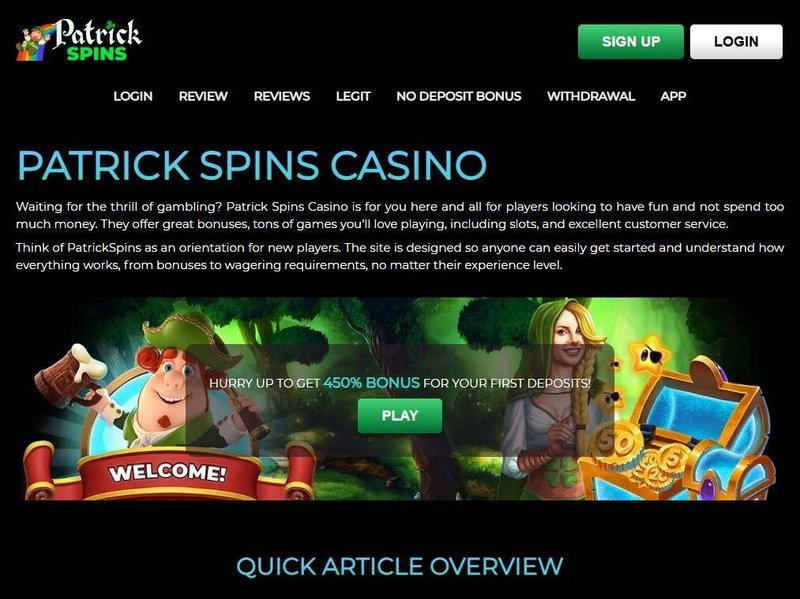
For those who enjoy competitive play but also like a bit of casual gaming, there’s a chance to mix things up. If you ever feel like testing your luck while waiting for your next match, you might find an interesting spin on a different kind of online entertainment. For instance, you can try a quick game at Patrick Spins Casino, where the mobile layout is as slick as any esports platform.
What Does the Future Hold for Mobile eSports?
Predicting the next big title is tricky, but we can spot some trends:
- Cross‑platform leagues: Major tournaments now allow players from PC, console, and mobile to compete in the same bracket, provided they meet the device requirements.
- Cloud gaming integration: Services like NVIDIA GeForce Now are already streaming mobile titles to low‑end phones, removing hardware barriers.
- AI coaching tools: Apps that analyze replay data in real time are helping players fine‑tune micro‑moves that used to be the domain of pro‑level coaches.
These developments suggest that smartphones won’t just stay a side channel; they’re becoming the main stage for competitive play. Whether you’re a casual fan or an aspiring pro, the next time you unlock a new game, check the device requirements—most likely, it’s all happening on your phone.
Frequently Asked Questions
Can smartphones really compete with consoles in eSports?
Yes, modern phones support high‑performance graphics, low latency, and large displays that allow competitive play comparable to consoles.
What games are best for mobile eSports?
Titles like Mobile Legends, PUBG Mobile, and Call of Duty: Mobile dominate mobile eSports due to balanced gameplay and large player bases.